Protein Distribution Throughout Daily Meals
How spreading protein intake across daily meals affects muscle protein synthesis and metabolic function
Protein and Daily Muscle Maintenance
Protein provides amino acids necessary for maintaining and building muscle tissue, producing enzymes, supporting immune function, and synthesizing neurotransmitters. Dietary protein is broken down into amino acids during digestion, which are then absorbed and used for various body processes.
Muscle protein synthesis—the process of building new muscle tissue—responds to physical activity and the availability of amino acids. Research suggests that distributing protein intake across multiple meals throughout the day provides regular stimuli for muscle protein synthesis, compared to consuming all daily protein at one meal.
Meal Composition and Muscle Response
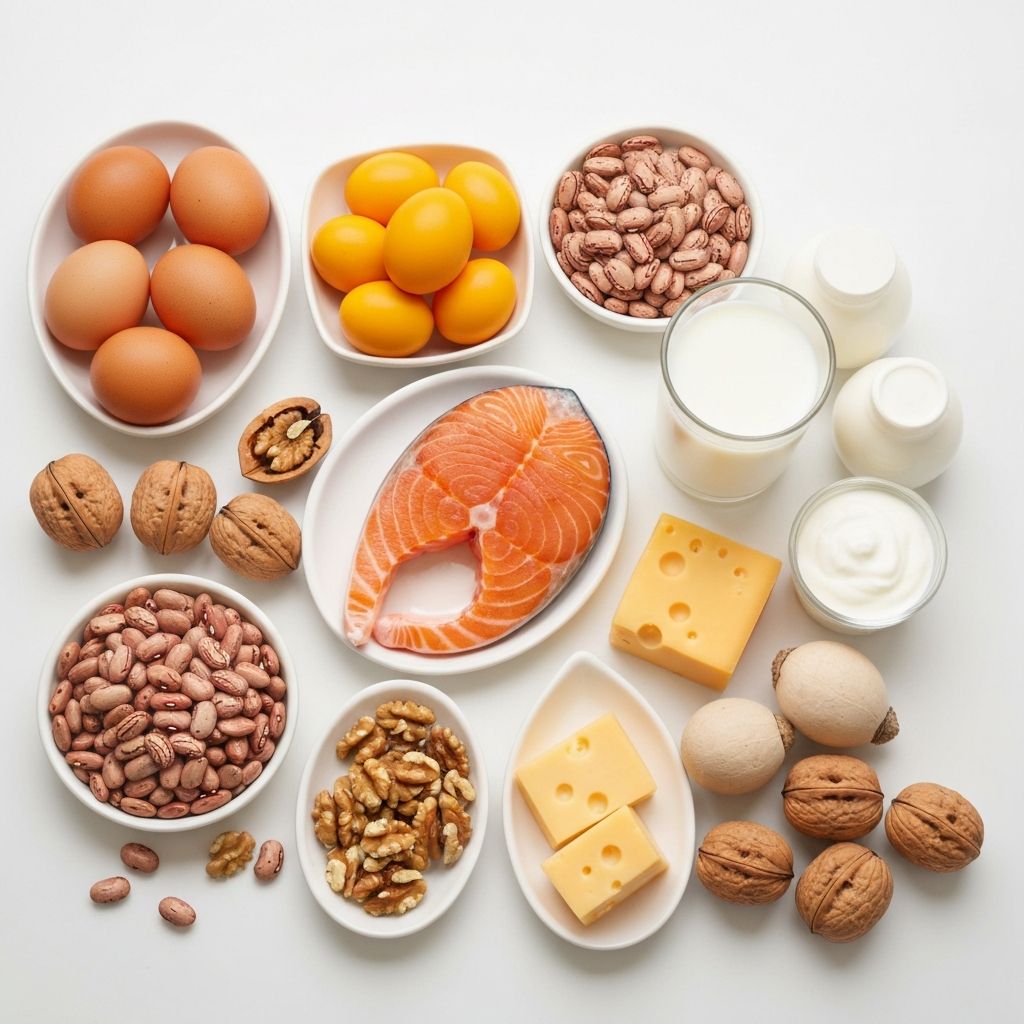
Different protein sources provide different amino acid profiles. Animal-based proteins (meat, fish, eggs, dairy) typically contain all nine essential amino acids in proportions that support muscle protein synthesis. Plant-based proteins often provide adequate amino acids but may require combining multiple sources or larger portions to match animal protein effectiveness for muscle synthesis.
The amount and frequency of protein intake affects how muscle responds to activity. Regular protein intake distributed across the day appears to support more consistent muscle protein synthesis compared to irregular or infrequent protein consumption, particularly when combined with regular physical activity.
Individual Protein Needs and Activity
Daily protein requirements vary significantly based on age, body composition, activity level, health status, and fitness goals. Athletes and individuals doing resistance training typically benefit from higher protein intake than sedentary individuals. Individual factors like genetics, hormonal status, and training experience also influence protein needs.
Spreading protein across meals—typically aiming for 20-40 grams per meal depending on body size and activity level—supports consistent amino acid availability rather than alternating between feast and famine of amino acids. Understanding your personal activity level helps contextualize appropriate protein distribution for your situation.
Important Disclaimer
Educational content only. This explanation is provided for educational purposes and does not constitute personal dietary advice. Individual protein needs vary significantly based on age, health status, activity level, fitness goals, and dietary preferences. Consult qualified healthcare professionals and registered dietitians regarding appropriate protein intake for your individual circumstances.